
ABOUT DOG FLU
Dog flu spreads quickly and its signs are very similar to those of other canine respiratory diseases.
Get the facts on this dangerous disease so you can help protect your dog — and your community.
Can dogs get the flu?
Yes, dogs can get the flu. Canine influenza, or dog flu, is a serious respiratory illness that’s easily transmitted from dog to dog.
Is dog flu the same as human flu?
We humans sometimes use “the flu” as a catch-all term that encompasses everything from fever and fatigue to nausea and vomiting (“stomach flu”). But when veterinary professionals refer to dog flu, they’re talking about two specific strains of canine influenza virus: H3N8 or H3N2.
These strains can’t be passed from human to dog or vice versa. You can’t give your dog the flu, and he can’t give it to you. However, dog flu and human flu do share some common themes: they can vary in severity from mild to deadly and should always be taken seriously. Also, it’s important to vaccinate every year for the highest level of protection.
Unlike human flu, dog flu isn’t seasonal. It is transmitted from dogs who have caught the virus, so dogs are susceptible to the virus all year round.
What makes dog flu dangerous?
Compared to other canine infectious diseases, dog flu hasn’t been around long. The first confirmed dog flu (H3N8 strain) outbreak occurred in Florida at a greyhound racing track. Since then, another strain has emerged (H3N2) and has been seen in almost every state in the United States.
Highly contagious
One interaction with an infected dog is all it takes for your dog to contract dog flu.
When an outbreak of dog flu hit the U.S. in 2015, thousands of pets were affected. Within nine months, the virus had spread to more than half the country. One or both strains have now been seen in almost every state in the U.S.
No “cure” for dog flu
Unlike some other canine diseases, dog flu can’t be resolved with antibiotics or other medication. The only treatment for dog flu is supportive, which means making your dog as comfortable as possible while the virus runs its course.
Can lead to secondary infection and death
There is no “cure” for dog flu, and in some cases, it can lead to pneumonia or secondary bacterial infections. That can be very serious — even deadly.
No widespread immunity
Since it’s relatively new, our dog population hasn’t developed widespread immunity through exposure or vaccination. Plus, dog flu is not often included in the standard list of vaccines a dog receives.
Can dog flu spread to other species?
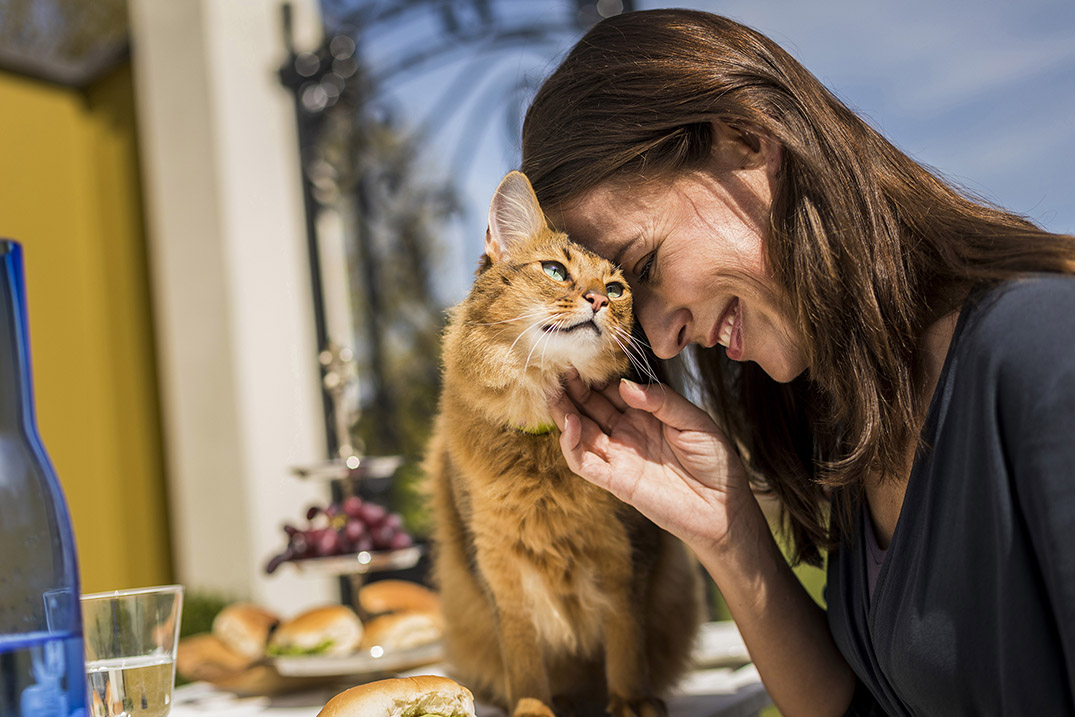
The H3N2 virus is transmittable to cats and the symptoms are very similar to those seen in dogs. They include lethargy, fever, sneezing, and potentially pneumonia. However, unlike dogs, coughing is not a common symptom for cats, which can make it more difficult to tell if your cat has caught the virus. If you notice any of the other symptoms, speak to your veterinarian right away to make sure your dogs and cats don’t pass the virus to each other.
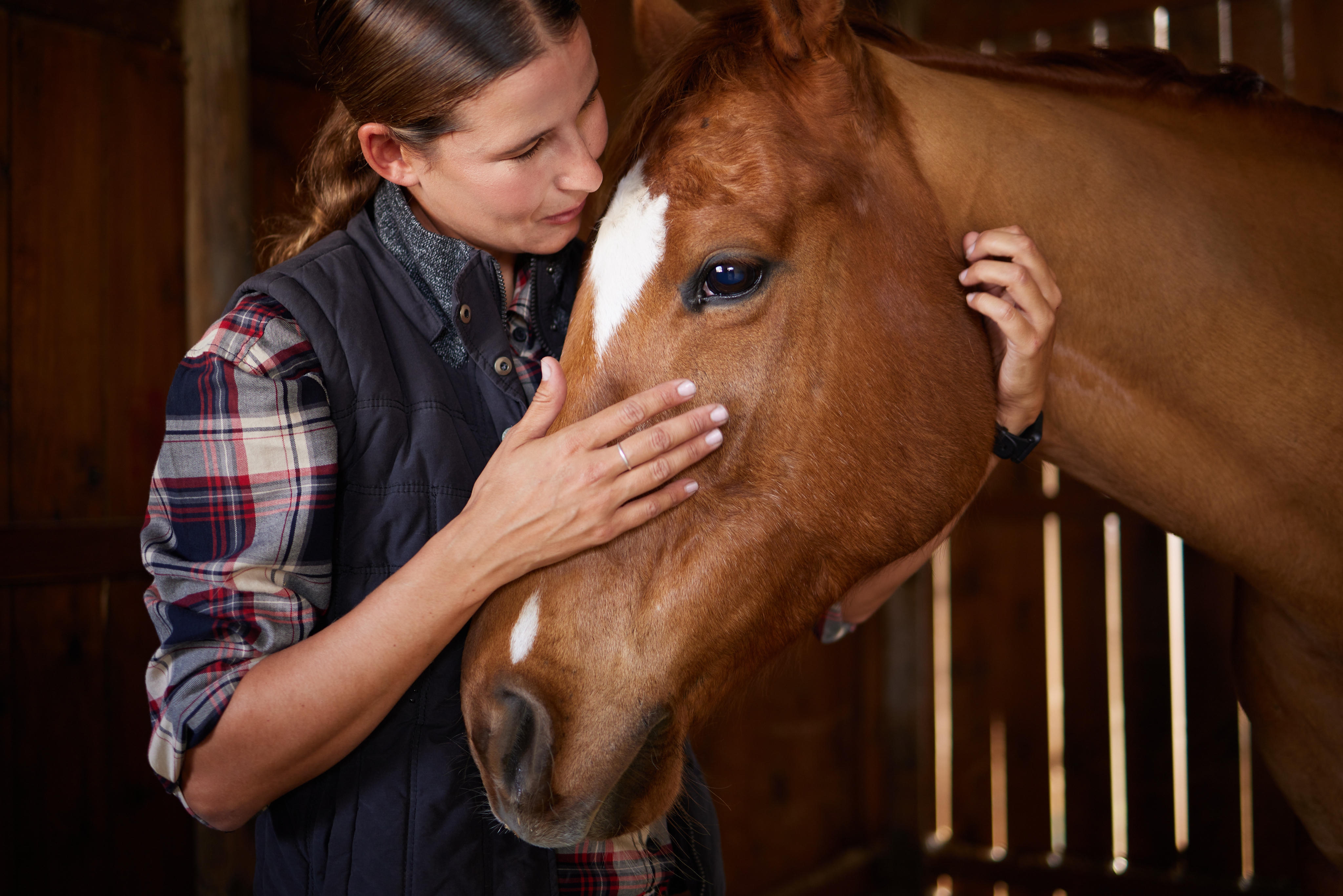
Dog flu actually originated from other species. The H3N8 variant originated in horses and adapted to cause illness in dogs. The H3N2 virus originated in birds and spread to dogs.
Is your dog at risk of catching dog flu?
Wondering if your dog is at risk? Most dogs are, because dogs are social creatures. Take the quiz to help you identify the places and behaviors that present the most likely areas of danger for your dog.
Take the quiz

 Go To United States
 Algeria
 Argentina
 Australia
 Austria
 Bahrain
 Belgium (Dutch)
 Brazil
 Canada (English)
 Chile
Chile Colombia
 Croatia
 Czech Republic
 Denmark
 Ecuador
 Egypt
Egypt Finland
 France
 Germany
 Greece
 Hungary
 India
India Indonesia
 Iraq
Iraq Ireland
 Israel
 Italy
Italy Japan
Japan Jordan
 Kuwait
 Lebanon
 Malaysia
 Mexico
 Morocco
 Netherlands
 New Zealand
 Norway
 Oman
Oman Panama
 Peru
Peru Philippines
 Poland
 Portugal
 Qatar
Qatar Romania
 Russian Federation
 Saudi Arabia
 South Africa
 South Korea
 Spain
Spain Sweden
 Switzerland (French)
 Taiwan
 Thailand
 Tunisia
 Turkey
 Ukraine
 United Arab Emirates
 United Kingdom
 Uruguay
 Yemen
Yemen Global