
Building consumer trust through food supply chain transparency
Bridging the gap between farm and table to build consumer trust in food.
Consumers want to know more about their food, including how it was grown and raised on the farm and later processed. Food supply chain transparency, including sharing information on food production practices and claims on food labels helps provide the transparency consumers crave and builds consumer trust in food and farming.
MEAT AND SEAFOOD TRANSPARENCY IS MORE THAN A TREND
Transparency Influences Purchase and Inspires Brand Loyalty
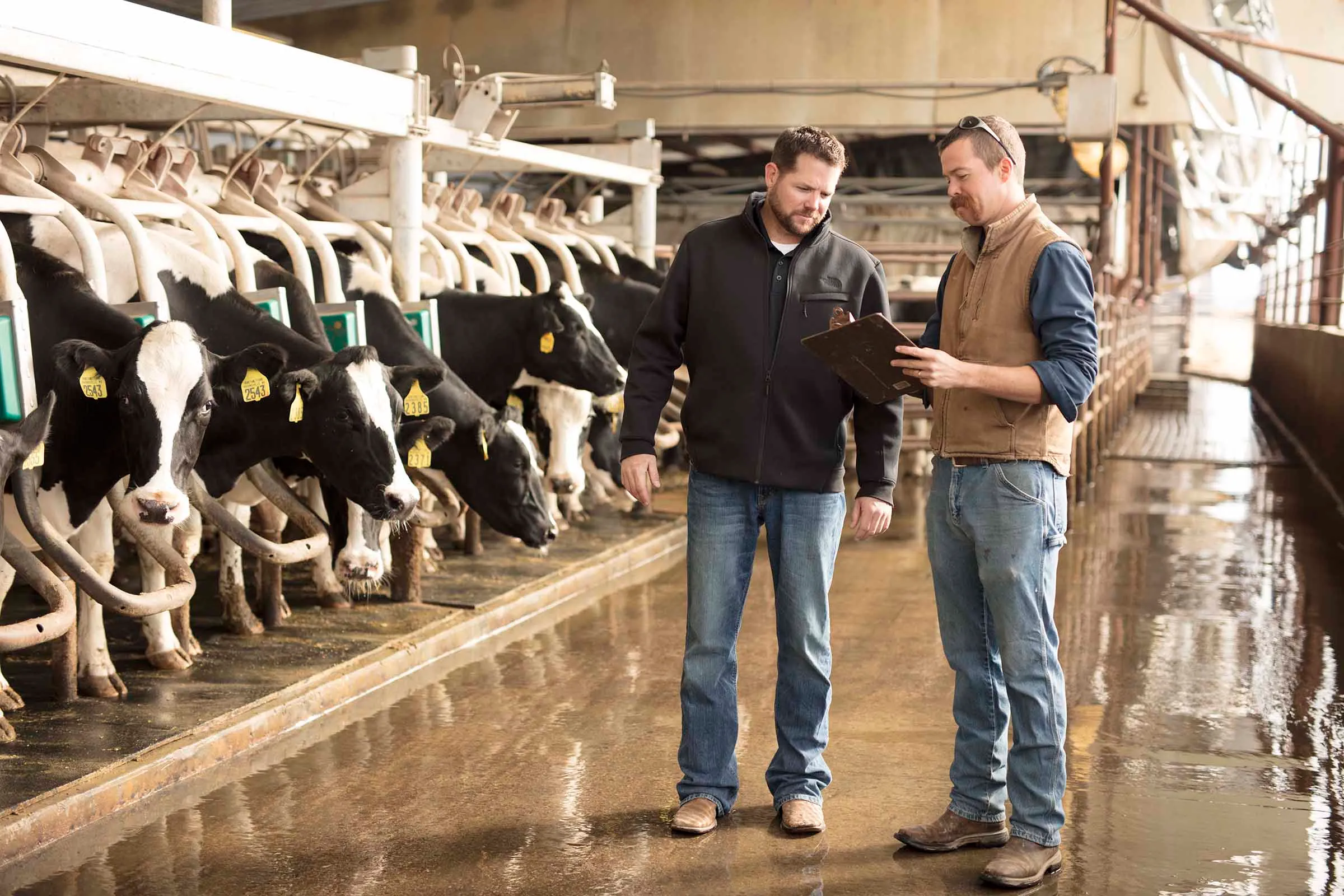
Our latest Merck Animal Health Consumer Omnibus3 survey revealed U.S. consumers want to know more about the meat and seafood they put in the grocery cart and information about animal care practices and sustainability commitments is most important to them. Transparency significantly impacts “conscious consumers” whose values and beliefs drive their purchase decisions and younger consumers – Gen Z and millennials who are leading the charge for change and shaping the future of shopping. Discover more about how transparency inspires brand loyalty along with four things brands and retailers can do right now to provide the transparency consumers are looking for.
Image Caption
Image Caption
The MORE PEOPLE KNOW, THE MORE CONFIDENCE they have eating meat and seafood
Our latest Merck Animal Health Consumer Omnibus survey revealed1 that animal protein – meat, seafood, dairy and eggs – remains firmly on US dinner plates, but consumers still have questions. Transparency and traceability are important to consumers and help build consumer trust in food. Nearly eight out of 10 consumers reported traceability is extremely or very important when it comes to improved food safety and verification of animal protein food label claims. The MORE PEOPLE KNOW, THE MORE CONFIDENCE they have eating meat and seafood – and technology like DNA TraceBack® makes it possible.
Consumer Trends Toward Transparency:
A Deep Dive
Today’s consumers seek more than just nutrition from food; they demand supply chain transparency – clear information about how their food is grown, raised and produced, while also considering the ethical implications of their choices. Price, taste, and convenience are no longer the sole drivers of purchase decisions. Explore the trends toward transparency in animal protein, the expectations consumers are placing on the industry, and how stakeholders can respond effectively.
Food Supply Chain Transparency Insights
Fast Facts: Consumer Transparency and Traceability Research
Meat and seafood are the protein anchors of our everyday meals and consumers crave more transparency.
Research reveals that more than half of consumers find more transparency information extremely or very valuable.
Consumer interest in food traceability and claims on food labels is growing.
Transparency in Animal Protein Consumer Research Study
We deliver transparency through innovative technology, data, and valuable insights – like our first-ever Merck Animal Health Transparency in Animal Protein consumer research study.
Consumers crave more high-quality protein
In the past year at least 1 in 3 consumers increased their interest in meat or seafood as a source of high-quality protein. Interest in traceability is growing too.
References
- Merck Animal Health, 2024 U.S. Consumer Transparency and Traceability Omnibus Research Report.
- Aimpoint Research® and Merck Animal Health Transparency in Animal Protein, October 2022.
- Merck Animal Health 2025 U.S. Consumer Transparency and Traceability Omnibus Research Report Wave 3.



 Go To United States
 Algeria
 Argentina
 Australia
 Austria
 Bahrain
 Belgium (Dutch)
 Brazil
 Canada (English)
 Chile
Chile Colombia
 Croatia
 Czech Republic
 Denmark
 Ecuador
 Egypt
Egypt Finland
 France
 Germany
 Greece
 Hungary
 India
India Indonesia
 Iraq
Iraq Ireland
 Israel
 Italy
Italy Japan
Japan Jordan
 Kuwait
 Lebanon
 Malaysia
 Mexico
 Morocco
 Netherlands
 New Zealand
 Norway
 Oman
Oman Panama
 Peru
Peru Philippines
 Poland
 Portugal
 Qatar
Qatar Romania
 Russian Federation
 Saudi Arabia
 South Africa
 South Korea
 Spain
Spain Sweden
 Switzerland (French)
 Taiwan
 Thailand
 Tunisia
 Turkey
 Ukraine
 United Arab Emirates
 United Kingdom
 Uruguay
 Yemen
Yemen Global