
Safety
Microchipping your pet
Pet microchipping is a simple procedure that can help reunite you and your pet if he’s ever lost.
Reading time: 2 minutes
Share the article:
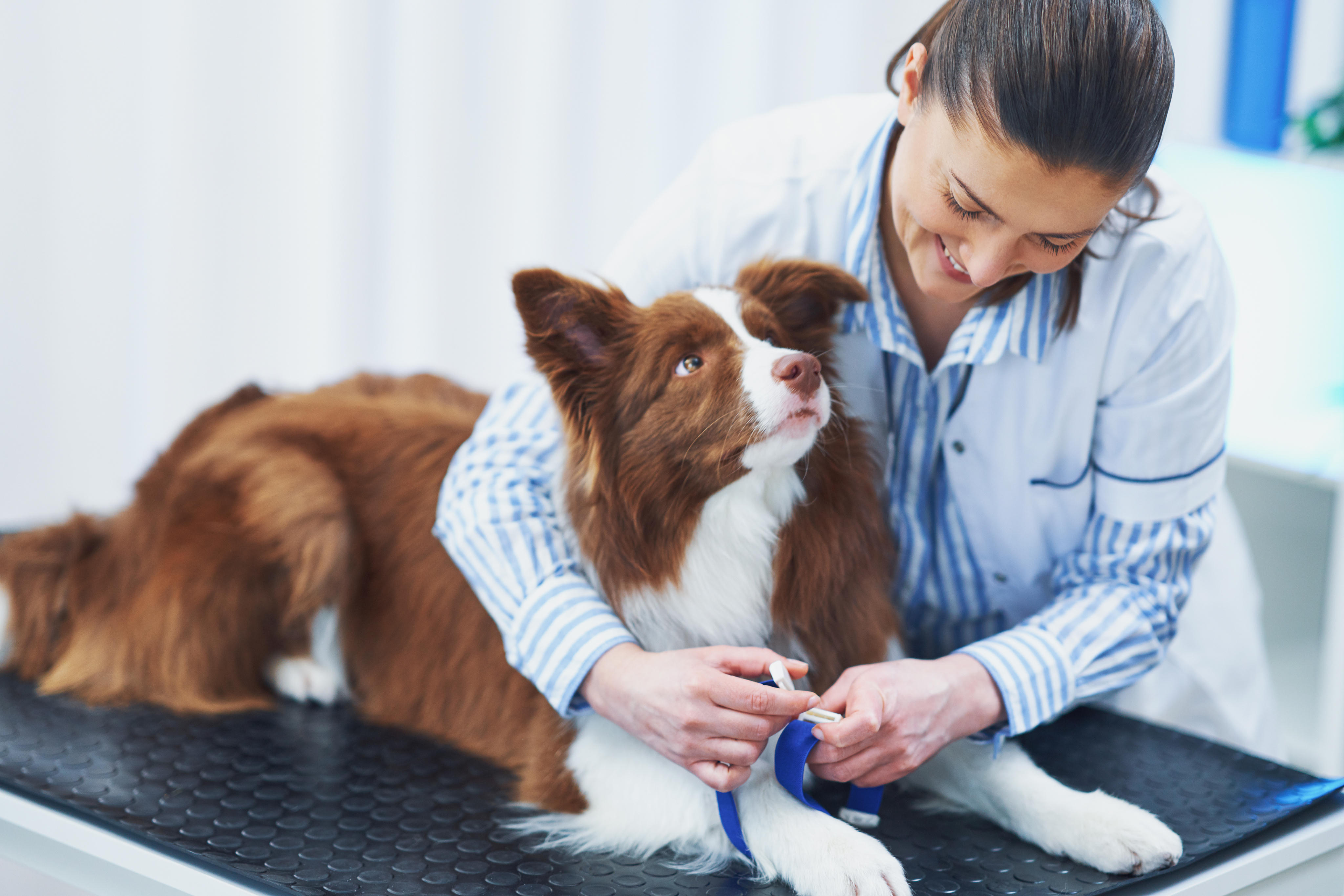
Dog and cat microchipping is a simple procedure. A veterinarian simply injects a microchip for pets, about the size of a grain of rice (12 mm), beneath the surface of your pet’s skin between the shoulder blades. The process is similar to a routine vaccination and takes only a few seconds. No anesthetic is required.1
Once the microchip is placed, the unique microchip ID number is registered with the pet owner’s contact information. When a microchip scanner is passed over your pet’s shoulder blades, it emits a low radio frequency. This provides the power necessary to transmit the microchip’s unique cat or dog ID code and positively identify the pet, should it ever become lost.1
Microchips are designed to last your pet’s entire lifetime, so remember that the information linked to your pet is only as current as you’ve kept it. Be sure to update any contact information that may have changed since your pet’s microchip registration.
Veterinary clinics and animal shelters across the country are equipped with scanners that can read your pet’s microchip—so if your pet is found, a microchip increases the chance that she’ll be returned to you.1
For more information about how microchipping works, how to register your pet’s microchip, and how to take advantage of services to help reunite you if your pet is ever lost, visit Homeagain.com.
More like this
October 20, 2023
Fall pet care
Tis the season for ticks, temperature changes, Halloween and other concerns for you and your pet. Prepare for autumn by learning how to protect your pet.
August 24, 2023
Lost dog? Your pet’s personality may provide clues
Shy? Social? If your dog ever gets lost, understanding his personality traits can help you determine where to look.
August 24, 2023
Emergency planning? Include your pets, too
Make sure pets have a place in your household’s emergency preparation and planning.
Give your very important pet the Best Protection with our Premium Menbership
Enroll them in a Home Again® Premium Membership today!
LEARN MOREReferences
- Microchipping FAQ. American Veterinary Medical Association. https://www.avma.org/resources-tools/pet-owners/petcare/microchips-reunite-pets-families/microchipping-faq
Wag-worthy updates!
Subscribe to our newsletter for pet information and advice.
*I am interested in receiving information about products, promotions, and educational articles from Merck Animal Health and its subsidiaries. My information may also be used to deliver tailored social media ads.
We need to process your personal information to send you this information, please see our privacy notice for details. I can manage my communication preferences via the Preference Center link found in email communications at any time.

 Go To United States
 Algeria
 Argentina
 Australia
 Austria
 Bahrain
 Belgium (Dutch)
 Brazil
 Canada (English)
 Chile
Chile Colombia
 Croatia
 Czech Republic
 Denmark
 Ecuador
 Egypt
Egypt Finland
 France
 Germany
 Greece
 Hungary
 India
India Indonesia
 Iraq
Iraq Ireland
 Israel
 Italy
Italy Japan
Japan Jordan
 Kuwait
 Lebanon
 Malaysia
 Mexico
 Morocco
 Netherlands
 New Zealand
 Norway
 Oman
Oman Panama
 Peru
Peru Philippines
 Poland
 Portugal
 Qatar
Qatar Romania
 Russian Federation
 Saudi Arabia
 South Africa
 South Korea
 Spain
Spain Sweden
 Switzerland (French)
 Taiwan
 Thailand
 Tunisia
 Turkey
 Ukraine
 United Arab Emirates
 United Kingdom
 Uruguay
 Yemen
Yemen Global