
Evolving Animal Health and Welfare:
From the Five Freedoms to the Five Domains
By Dave Sjeklocha, DVM, Technical Services Veterinarian & Beef Cattle Animal Welfare Lead, Merck Animal Health
The Next Chapter in Animal Welfare
For decades, the livestock industry has operated with one clear truth: animal welfare and animal health go hand in hand. As a veterinarian working with cattle producers across the country, I’ve seen firsthand how our understanding of animal welfare continues to evolve – from preventing suffering to promoting well-being.
The Five Freedoms provided a critical foundation for animal welfare starting in the 1960s. They outlined what animals should be free from – hunger, discomfort, pain, fear and distress – and set a shared ethical baseline for responsible care. But as our understanding of animal behavior, nutrition and mental state has grown, so too has our responsibility to go further.
Today, we embrace a new, science-based framework: the Five Domains. This model doesn’t replace the Five Freedoms, it builds upon them, challenging us to think beyond the absence of suffering and toward the presence of positive experiences.
The Evolution of Animal Welfare Science
The Five Domains model, developed through decades of research in veterinary medicine, ethology and neuroscience, recognizes that welfare isn’t static. It integrates both physical and behavioral needs into five interconnected areas:
- Nutrition: ensure animals have balanced diets that promote vigor, growth and health.
- Environment: provide housing, temperature control and air quality that enable comfort.
- Health: maintaining preventive care, disease control and rapid treatment when illness occurs.
- Behavior: allow animals to express natural behaviors and interact socially.
- Mental State: support positive experiences like curiosity, security and satisfaction.
These domains work together to describe an animal’s overall well-being – not just freedom from negatives, but fulfillment of positives. That’s a profound shift in how we approach care on farms and ranches.
From Preventing Suffering to Promoting Well-Being
When I speak with farmers and ranchers, I often describe this evolution with a simple example: you can never give an animal complete “freedom from thirst.” They’ll get thirsty and hungry. We all do, and that’s normal. What matters is ensuring they have constant access to fresh, clean water and a diet that meets their nutritional needs.
The same applies to fear or discomfort. A cow may feel a moment of uncertainty when being moved to a new pasture, but low-stress handling techniques help transform that moment into one that’s brief, safe and predictable.
This perspective helps us move from reactive to proactive: instead of simply avoiding negatives, we’re cultivating environments that enable animals to thrive – physically, socially and mentally.
Applying the Five Domains on the Farm
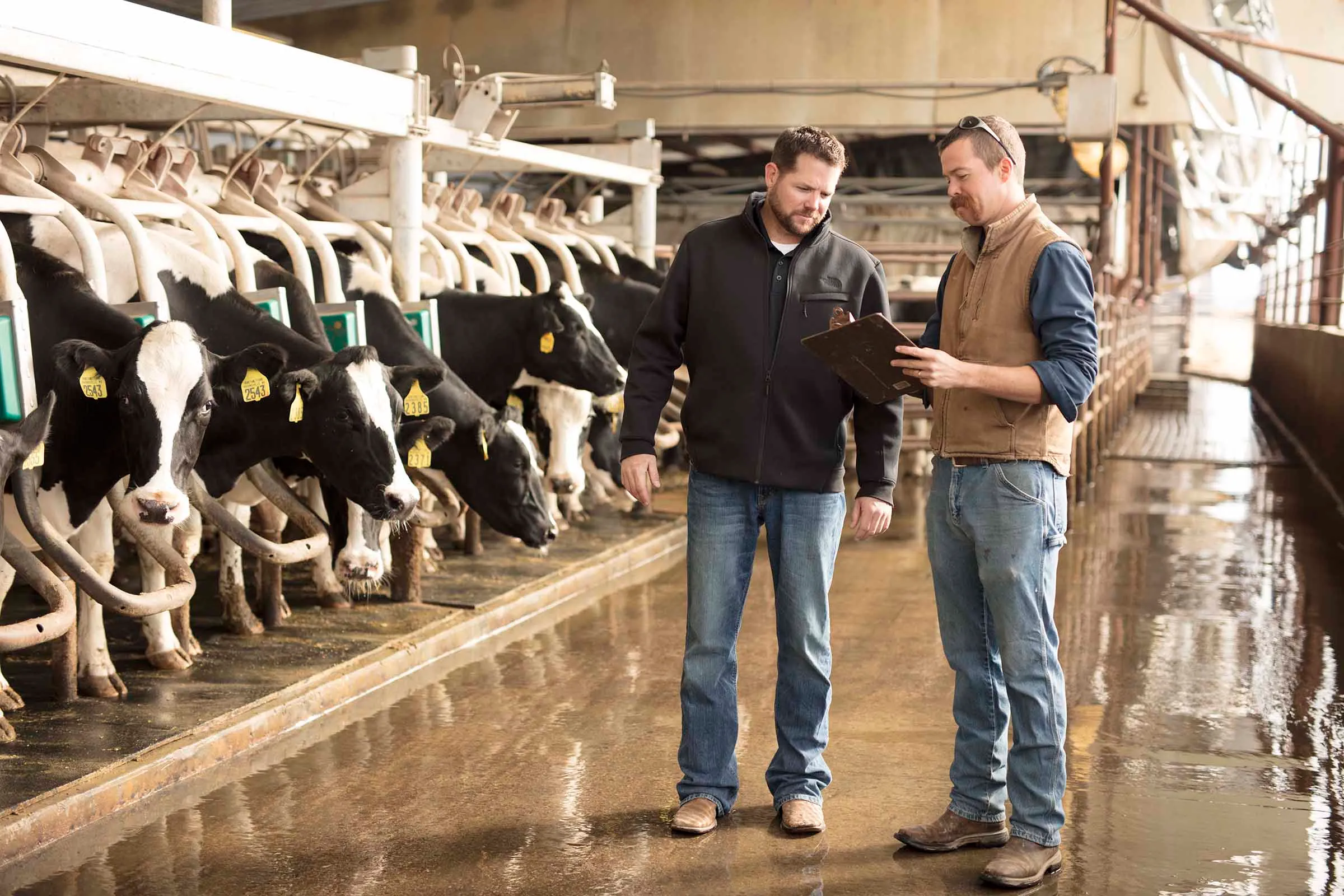
Across U.S. beef operations, dairy farms and feedyards, I’ve seen many practical ways farmers and ranchers are already living out the Five Domains framework – often without realizing it.
- Nutrition: Many farmers and ranchers work closely with on-farm nutritionists who routinely evaluate rations for energy balance and palatability. Diets are adjusted based on animal performance and weather changes, ensuring health and productivity year-round.
- Environment: Modern barns and housing feature proper ventilation, bedding and shelter protect animals from harsh weather and heat stress. Enrichment such as scratching posts, deep bedding and group housing provide stimulation and comfort.
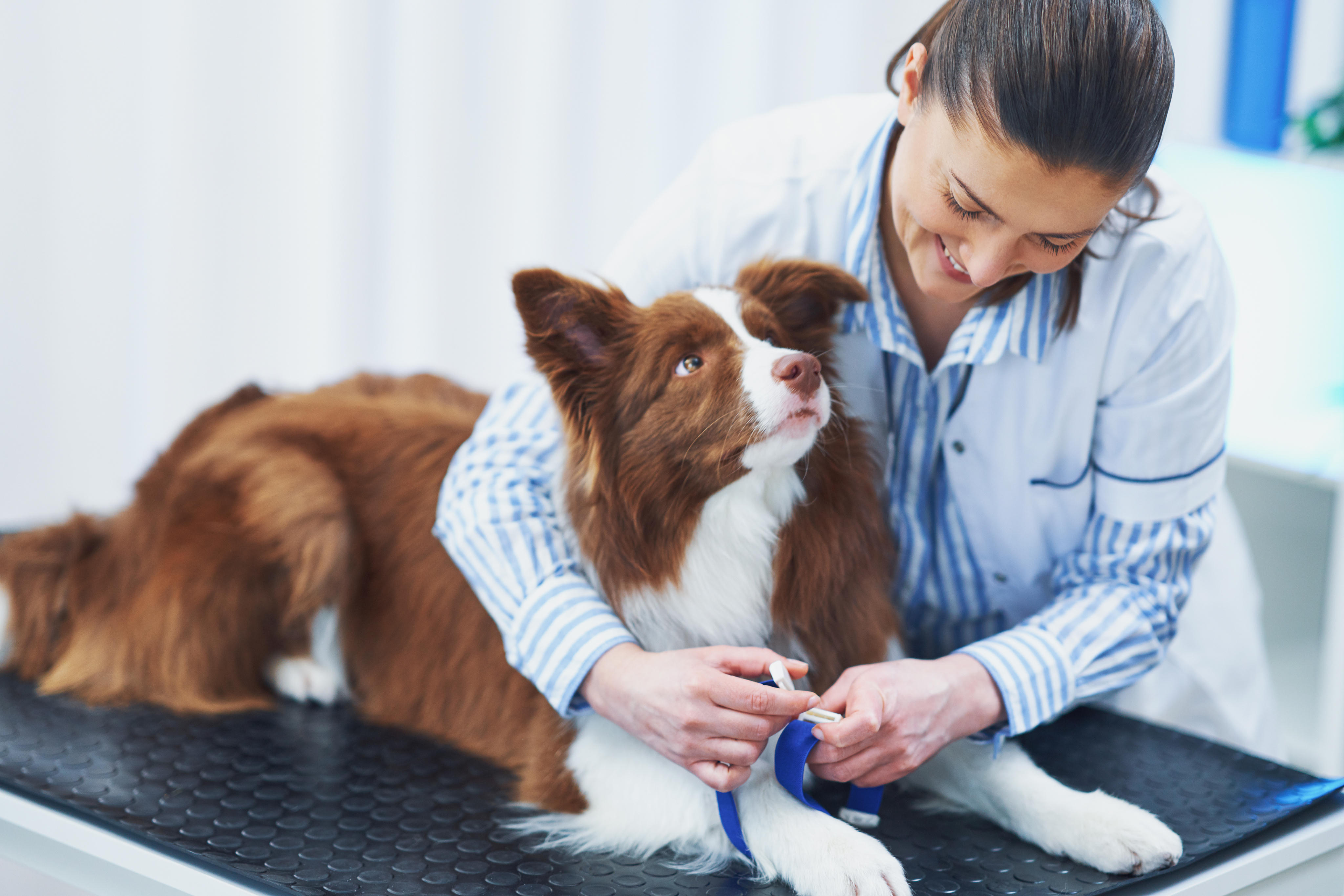
- Health: Veterinarians and producers maintain a strong veterinarian-client-patient relationship, ensuring that animals receive preventive care, vaccinations and timely treatment when illness occurs.
- Behavior: Positive interactions between handlers and livestock reduce stress and improve safety for both. Regular training on animal handling techniques is key.
- Mental State: Animals respond to calm, predictable environments. Providing training to workers on low-stress animal handling, reducing loud noises, improving footing, and encouraging social contact with other animals all promote a more relaxed and content herd.
In short, these domains give us a way to measure progress and communicate our commitment to continuous improvement.
Tools to Support Continuous Improvement
At Merck Animal Health, we often talk about continuous improvement as the next evolution of welfare – not because the industry has fallen short, but because we believe progress never stops.
Practical tools can help producers formalize and sustain high welfare standards:
- Animal Care Commitments: Outlining expectations for animal care and having team members sign them reinforces accountability. Many farmers and ranchers review these commitments during team meetings or training sessions.
- Standard Operating Procedures (SOPs): Detailed written protocols for animal handling, vaccination and treatment help ensure consistent care – especially as new team members join the farm or ranch.
- Training Programs: Regular training for farm workers on low-stress handling and other techniques improves welfare outcomes and employee safety and job satisfaction, animal well-being and sustainability.
- Enrichment and Facility Design: Ongoing improvements in barn layout, flooring, ventilation and lighting contribute to calmer animals and easier management.
These are not one-time checkboxes; they’re living systems that adapt as new research and technologies emerge.
Animal Care: Important for Consumers, Too
Transparency about animal care is more than a trend. It can influence consumer loyalty, trust and purchase. That’s good news for the entire value chain. According to Merck Animal Health’s Transparency and Traceability Omnibus Research (2025), 77% of consumers say they are more likely to buy meat or seafood from brands and retailers that share information about their animal care practices.
Transparency not only addresses these expectations; it builds lasting trust in animal agriculture.
When farmers share their animal care stories – whether it’s a social post showing clean, comfortable barns, an article on their website or a conversation at the local fair – they bring consumers to the farm and show that behind every product is a community of people dedicated to doing what’s right for animals.
Animal care is most important.
Consumers are somewhat or more likely to buy meat or seafood from brands and retailers that share information about:
Animal care practices
Clear sustainability commitments
Traceability through the food supply chain
Environmental impact from farm to table
Why It Matters
Every animal’s experience matters. Every improvement, no matter how small, contributes to a stronger bond between producers, veterinarians and the public. The Five Domains remind us that animal welfare isn’t static – it’s dynamic, data-driven and deeply human.
As veterinarians and producers, our goal is not just to meet minimum standards but to pursue excellence – to continuously raise the bar for welfare and demonstrate, through action and transparency, that we are stewards of both animals and trust.
Because when animals thrive, so do the families, farms and communities who care for them.
 Go To United States
 Algeria
 Argentina
 Australia
 Austria
 Bahrain
 Belgium (Dutch)
 Brazil
 Canada (English)
 Chile
Chile Colombia
 Croatia
 Czech Republic
 Denmark
 Ecuador
 Egypt
Egypt Finland
 France
 Germany
 Greece
 Hungary
 India
India Indonesia
 Iraq
Iraq Ireland
 Israel
 Italy
Italy Japan
Japan Jordan
 Kuwait
 Lebanon
 Malaysia
 Mexico
 Morocco
 Netherlands
 New Zealand
 Norway
 Oman
Oman Panama
 Peru
Peru Philippines
 Poland
 Portugal
 Qatar
Qatar Romania
 Russian Federation
 Saudi Arabia
 South Africa
 South Korea
 Spain
Spain Sweden
 Switzerland (French)
 Taiwan
 Thailand
 Tunisia
 Turkey
 Ukraine
 United Arab Emirates
 United Kingdom
 Uruguay
 Yemen
Yemen Global