
Tips for beef cattle health management during show season
By Dr. Jeremy Schefers, DVM, Ph.D., Technical Services Veterinarian, Merck Animal Health
Show season is an exciting time for breeders and youth exhibitors, with long hours of preparation finally having the chance to pay off in the ring. It should be a celebratory time and recognition of hard work — not a major health event.
Across the country, cattle often return from shows to their home pens with the “show crud.” This can be especially frustrating if the season is not over, or if they introduce diseases to the larger herd. As you prepare for upcoming shows and fairs, it’s important to prioritize cattle health management. These tips can help you be ready to protect your show cattle’s health to ensure they can perform throughout the season.
Shows are stress events
Cattle commonly face health obstacles during shows because of the stressful nature. Transportation can be hours long, the environment is new and unfamiliar, temperature may be variable, and the water can be different. Most importantly, many animals from different locations are all converging in one area and potentially carrying diseases with them.
Protecting show cattle health is not just about having the right treatment ready. A proactive plan needs to be in place long before the show.
Reduce environmental stress
A new environment is stressful for any animal. Use these tips to keep cattle more comfortable at the show:
- Proper handling: Use low-stress handling methods at all times.
- Transportation: Make sure cattle are accustomed to loading on and off a trailer prior to the show. Make the trailer as comfortable as possible, opening vents or windows to regulate temperature if needed.
- Maintain schedules: Cattle are creatures of habit. Keep them on the same routine during the show — especially when it comes to feeding.
- Anticipate water issues: Make sure water is readily available and plan ahead to transport your own if there is a questionable water source.
- Account for temperature: Reduce heat stress with the proper bedding and fans to help air flow.
- Organize stalling arrangements: Limit nose to nose contact with other exhibitors’ animals in the stall and at the wash rack to prevent transmission.
Hygiene is key
Small details can make the difference between a healthy animal and a sudden problem. Keeping the environment hygienic should be a top priority. Be sure to keep an eye on these areas:
- Bedding: Regularly tidy stalls and ensure bedding remains fresh and clean.
- Feed supplies: Regularly clean all equipment used for handling feed such as pans, scoops, buckets, etc. and make sure all feed is properly stored to avoid contamination.
- Equipment: Clean all equipment before arriving and immediately after a show before heading home. Anything from stall dividers to buckets to halters could introduce pathogens.
- Limit source sharing: While at the show, keep feed and water supplies assigned to specific animals and avoid sharing them between animals outside of the string.
Focus on health
Having an animal health plan in place is one of the most effective things that can be done to prepare. Consult your veterinarian to ensure appropriate vaccination protocols are in place to prevent bovine respiratory disease (BRD) and other illnesses.
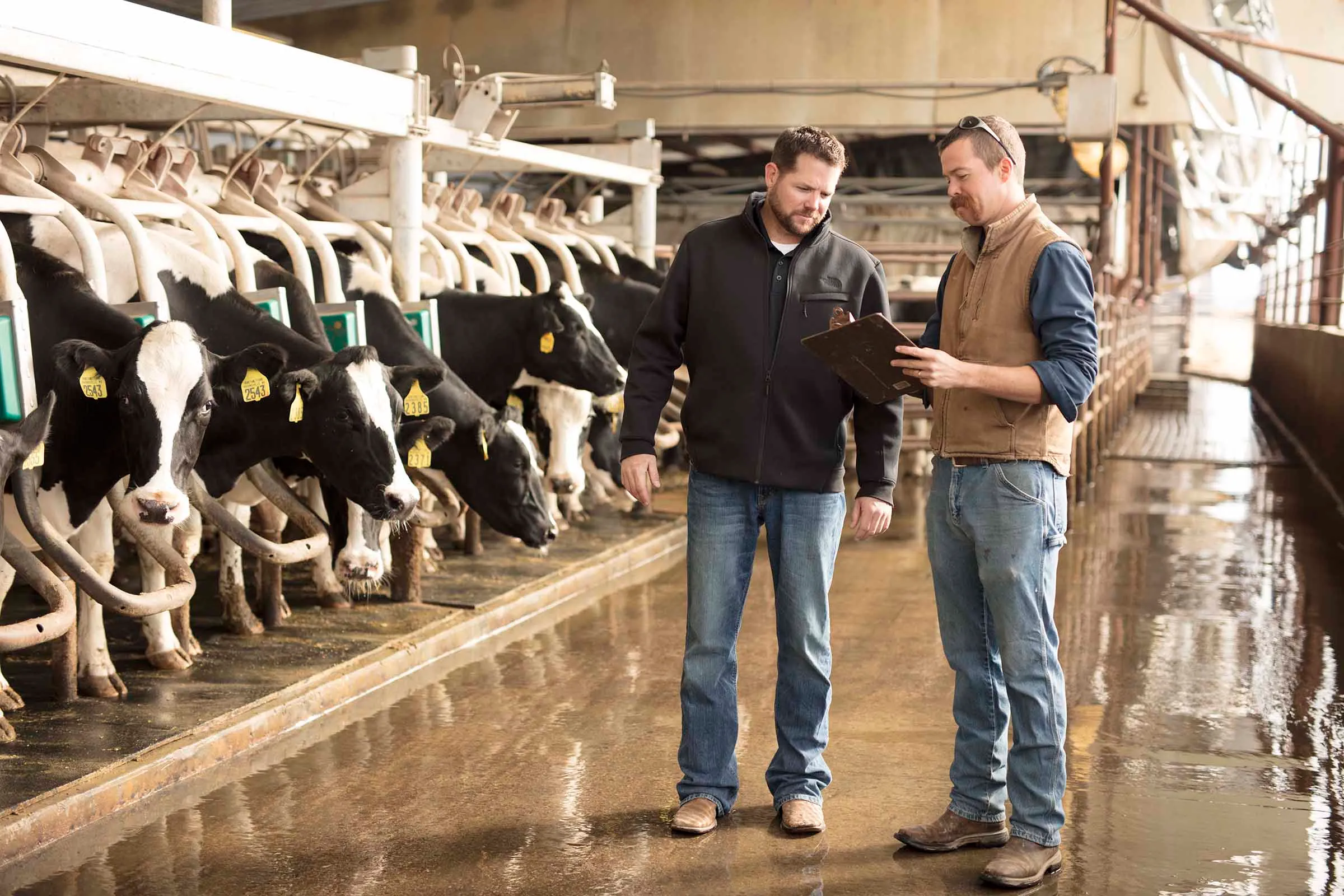
Be sure to bring any health papers or vaccination records with you to the show. Detailed recordkeeping is essential to any show animal project and dairy herd health plan. Clear identification practices and accurate records ensure traceability and that health information is readily available for every animal. This data is extra helpful if an animal needs to be quarantined and monitored. Electronic identification (EID) tags, like those provided by Allflex®, can be used to store health data, making records easily traceable to individual animals. This unique ID allows state and federal veterinarians to use them for disease surveillance to better protect cattle within each state — making EIDs an important health tool for larger state and national livestock shows.
While at the show, observe for signs of stress or signs of sickness in cows. The sooner you can intervene, the better the outcome. Symptoms may include reduced feed and water intake; change in manure; runny eyes, nose or mouth; lethargic behavior; panting; and fever.
Work with your veterinarian to establish a plan if intervention is needed during the show. They can prescribe and advise on recommended treatments so you can have solutions packed in the showbox. For example, BANAMINE® TRANSDERMAL (flunixin transdermal solution) is labeled for control of fever due to BRD and is easy to administer without need for injection. As with any treatments, be aware of and adhere to preslaughter withdrawal times for cattle going into youth auctions after the show.
Win outside of the ring
Whether you’re chasing banners at state fair or hoping for a county fair ribbon, know that a successful show season is a healthy one. Protect the time invested into your string by prioritizing animal health before and after the show. Work with your veterinarian to address any concerns and be prepared for whatever the upcoming season holds. Good luck!
IMPORTANT SAFETY INFORMATION:
Banamine Transdermal: NOT FOR HUMAN USE. KEEP OUT OF REACH OF CHILDREN. Milk that has been taken during treatment and for 48 hours after treatment must not be used for human consumption. Cattle must not be slaughtered for human consumption within 8 days of the last treatment. Not for use in replacement dairy heifers 20 months of age or older or dry dairy cows; use in these cattle may cause drug residues in milk and/or calves born to these cows or heifers. Not for use in beef and dairy bulls intended for breeding over 1 year of age, beef calves less than 2 months of age, dairy calves, and veal calves. Do not use within 48 hours of expected parturition. Approved only as a single topical dose in cattle. For complete information on BANAMINE® TRANSDERMAL, see accompanying product package insert.
US-Allflex-260400006
 Go To United States
 Algeria
 Argentina
 Australia
 Austria
 Bahrain
 Belgium (Dutch)
 Brazil
 Canada (English)
 Chile
Chile Colombia
 Croatia
 Czech Republic
 Denmark
 Ecuador
 Egypt
Egypt Finland
 France
 Germany
 Greece
 Hungary
 India
India Indonesia
 Iraq
Iraq Ireland
 Israel
 Italy
Italy Japan
Japan Jordan
 Kuwait
 Lebanon
 Malaysia
 Mexico
 Morocco
 Netherlands
 New Zealand
 Norway
 Oman
Oman Panama
 Peru
Peru Philippines
 Poland
 Portugal
 Qatar
Qatar Romania
 Russian Federation
 Saudi Arabia
 South Africa
 South Korea
 Spain
Spain Sweden
 Switzerland (French)
 Taiwan
 Thailand
 Tunisia
 Turkey
 Ukraine
 United Arab Emirates
 United Kingdom
 Uruguay
 Yemen
Yemen Global