
Watch for Changes
There can be visible changes to your cat’s behavior and overall health from diabetes, and no one knows your pet better than you. It is important that your cat be thoroughly examined by a veterinarian at least once a year. For cats at risk, more frequent visits may be advised.
Signs of Feline Diabetes
Knowing the signs of diabetes is the first step in protecting your cat’s health. If any of these signs apply to your pet, bring your cat to your veterinarian for a checkup:
Urinates frequently or large amounts
Drinks a lot of water
Always hungry
Weight loss
Dull or dry coat
Sleeps more or is less active
Download “The Signs of Diabetes” Checklist
Download
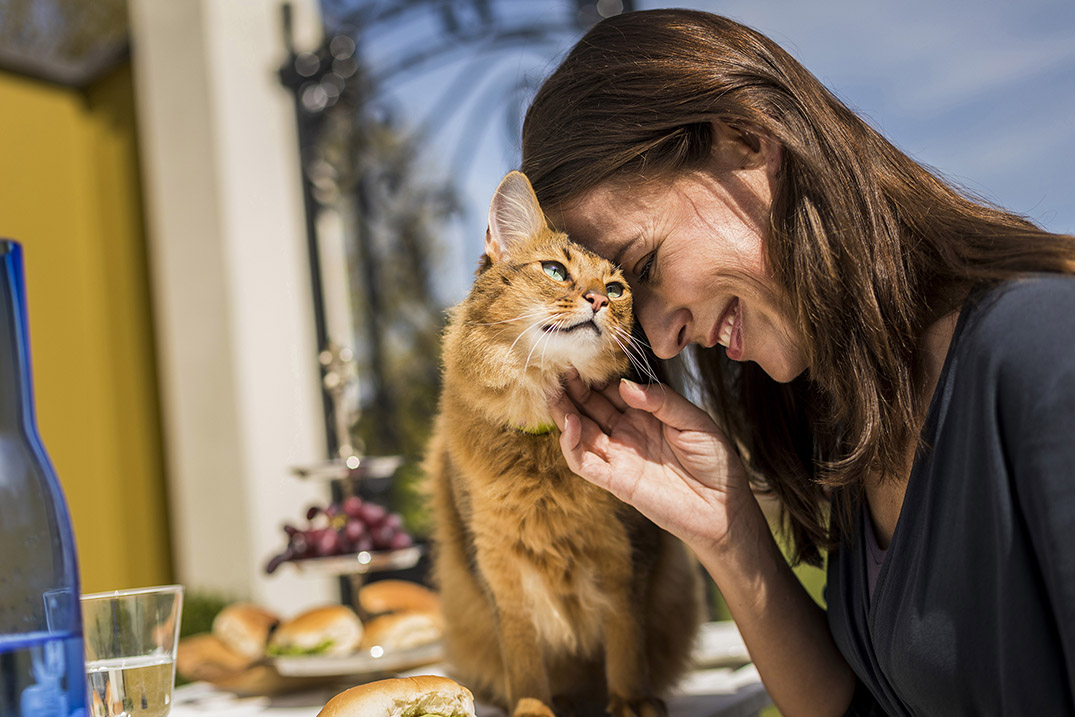
“When I was first diagnosed, I was depressed and didn’t want to play. Diabetes can show many signs like this.”
-SUGAR
A Visit to Your Veterinarian
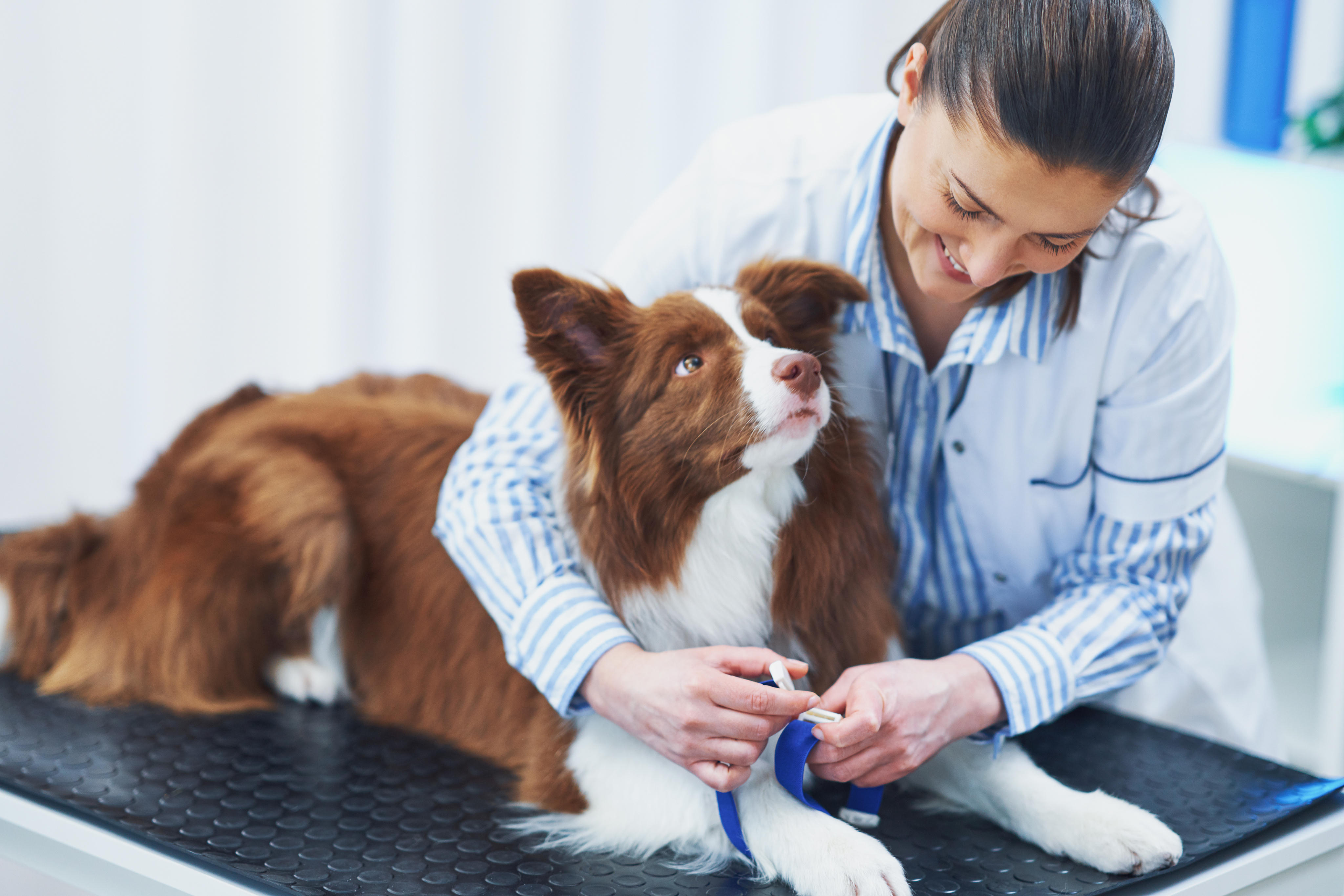
If your cat shows signs of diabetes, your veterinarian will ask about them, and check your cat’s general health to rule out the possibility of other conditions or infections.
The first test your veterinarian will do is check your cat’s urine for the presence of glucose and ketones. If indicated, the next step is to measure your cat’s blood glucose concentration. The diagnosis only becomes definite when glucose is persistently found both in the urine and at a high level in the blood.
Further Reading
Talk to Your Vet Today
Find a veterinarian to learn more about pet diabetes, and how cats and dogs can lead a happy, healthy life with proper management.
Find a vet near meIMPORTANT SAFETY INFORMATION:
VETSULIN® and VETPEN® are for use in animals only. Dogs and cats known to have an allergy to pork or pork products should not be treated with VETSULIN®. VETSULIN® is contraindicated during periods of hypoglycemia. Animals with severe ketoacidosis, anorexia, lethargy, and/or vomiting should be stabilized with short-acting insulin and appropriate supportive therapy before use. As with all insulin products, careful patient monitoring for hypoglycemia and hyperglycemia is essential. Overdosage can result in profound hypoglycemia and death. Progestogen and glucocorticoid use should be avoided. The safety and effectiveness of VETSULIN® in puppies, kittens, breeding, pregnant, and lactating dogs and cats has not been evaluated. Keep out of reach of children. Avoid contact with eyes. In case of contact, immediately flush eyes with copious amounts of water for at least 15 minutes. Accidental injection may cause clinical hypoglycemia. In case of accidental injection, seek medical attention immediately. Exposure to the product may induce a local or systemic allergic reaction in sensitized individuals. For complete safety information, refer to the product label.

 Go To United States
 Algeria
 Argentina
 Australia
 Austria
 Bahrain
 Belgium (Dutch)
 Brazil
 Canada (English)
 Chile
Chile Colombia
 Croatia
 Czech Republic
 Denmark
 Ecuador
 Egypt
Egypt Finland
 France
 Germany
 Greece
 Hungary
 India
India Indonesia
 Iraq
Iraq Ireland
 Israel
 Italy
Italy Japan
Japan Jordan
 Kuwait
 Lebanon
 Malaysia
 Mexico
 Morocco
 Netherlands
 New Zealand
 Norway
 Oman
Oman Panama
 Peru
Peru Philippines
 Poland
 Portugal
 Qatar
Qatar Romania
 Russian Federation
 Saudi Arabia
 South Africa
 South Korea
 Spain
Spain Sweden
 Switzerland (French)
 Taiwan
 Thailand
 Tunisia
 Turkey
 Ukraine
 United Arab Emirates
 United Kingdom
 Uruguay
 Yemen
Yemen Global